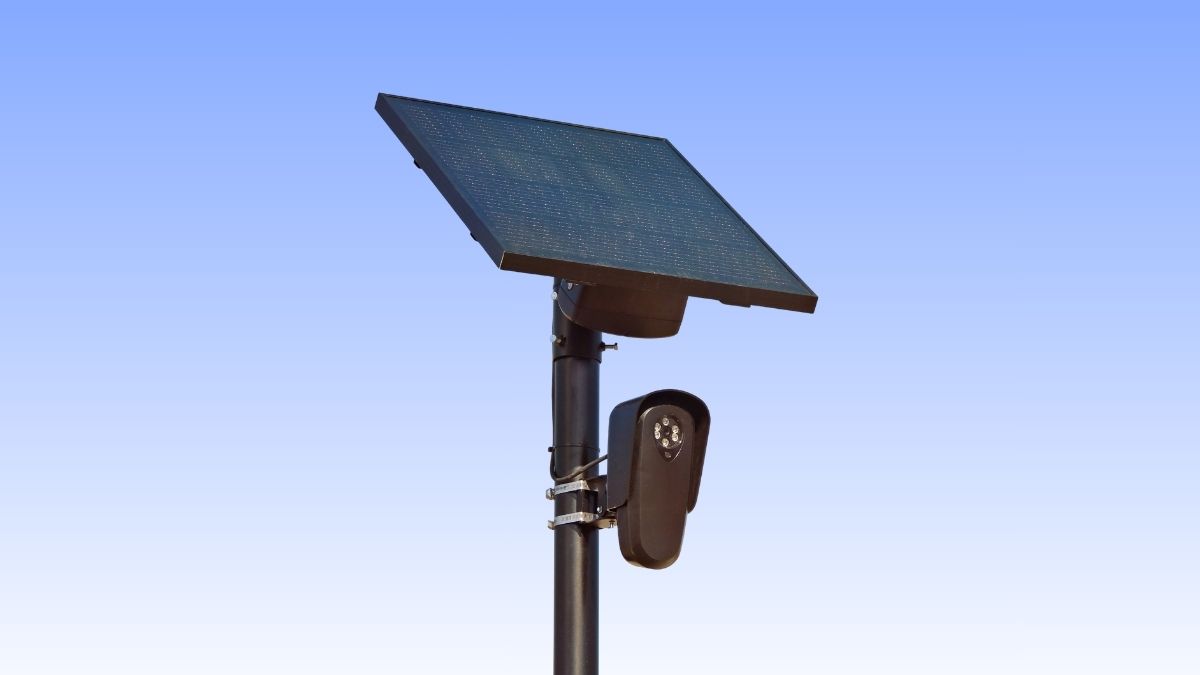
TWO US lawmakers have introduced two privacy-focused bills aimed at automatic license plate reader (ALPR) networks, sparked by concerns that sprawling, interconnected cameras create detailed records of ordinary movement. The Stop Flock Abuse Act would regulate how government agencies and ALPR vendors operate, requiring written search approvals and logs, regular audits, encryption, and deletion of most vehicle-location data after ten days.
It would bar data sharing with non-governmental third parties, prohibit facial-recognition within ALPR networks, and mandate data stay within the US. A separate Ban Flock Act would go further, prohibiting federal agencies from using ALPRs or accessing their data, withholding federal funding from states and localities that deploy ALPRs, and allowing individuals to sue the federal government if rights are violated through ALPR use. Both measures are proposals, not laws, and would require passage by both houses and presidential assent to become binding.
The bills address concerns about privacy and civil liberties raised by ALPR proliferation, particularly data being searchable across jurisdictions. The debate has been fuelled by testimony such as the case of Lindsey Isaacs, who described being detained after AI-enabled plate-reader data wrongly implicated her in a fatal crash. The technology’s supporters, including Flock Safety, argue that ALPRs can enhance public safety when properly overseen.
Whether either proposal advances remains uncertain, but the discourse signals a national-level shift from local procurement to broader privacy governance of ALPR networks.