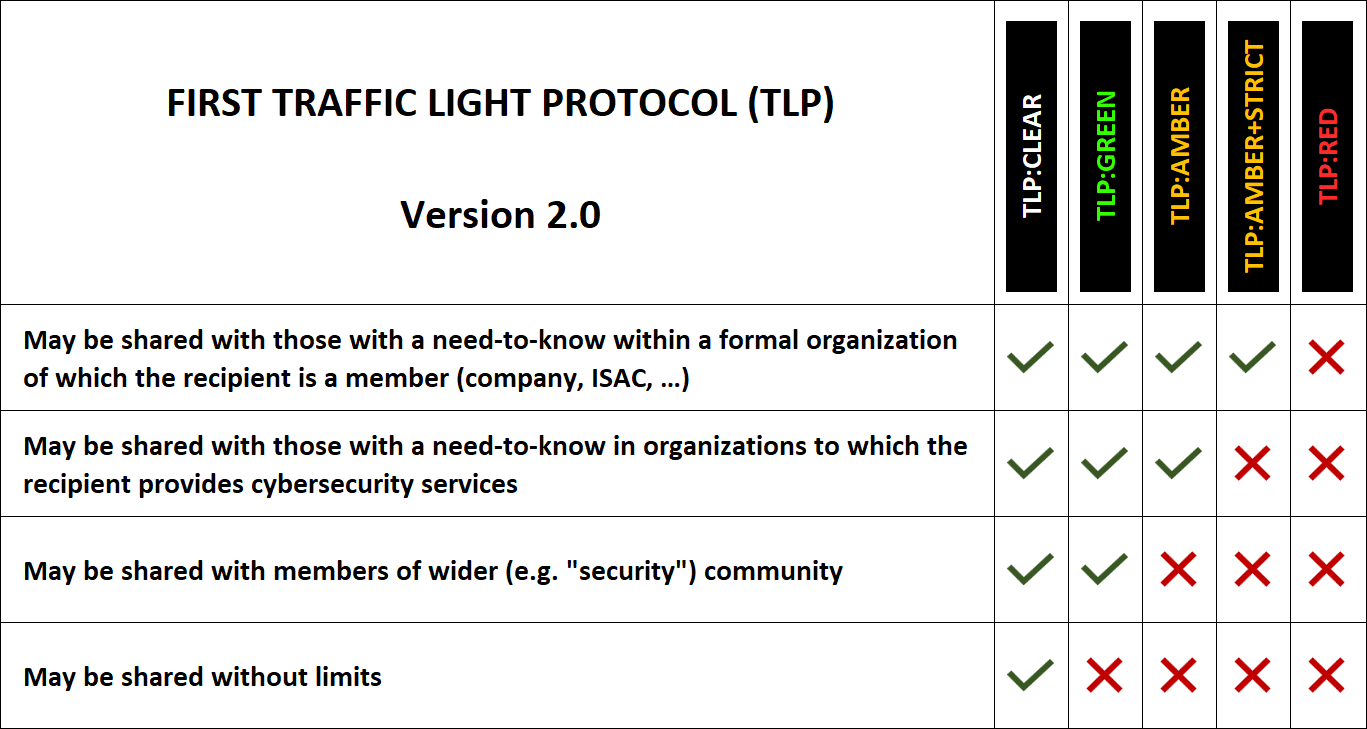
THE ISC diary entry discusses the inadequacy of treating the Traffic Light Protocol (TLP) as a replacement for a formal internal information classification scheme. The author, Jan Kopriva, argues that while TLP is a helpful standard for controlling with whom information can be shared, it was never designed to define information handling or encryption requirements.
Relying on TLP labels alone to determine how data should be protected or stored can lead to gaps in security, because encryption, access controls and retention rules are not specified by TLP labels.
The piece highlights practical pitfalls of conflating TLP with internal classification. Examples show how TLP:GREEN, AMBER or RED meanings do not align consistently with what organisations might classify as Sensitive or Confidential, and how sharing rules can diverge from internal needs. The author emphasises that organisations may need to add custom handling rules to their labels, effectively creating a hybrid system.
The recommended approach is to use TLP to supplement, not replace, an internal scheme that clearly defines encryption, storage, access control and retention. The post concludes that standardised labels aid understanding of sharing permissions, but misusing them as a sole classification framework risks misunderstandings when information is exchanged.