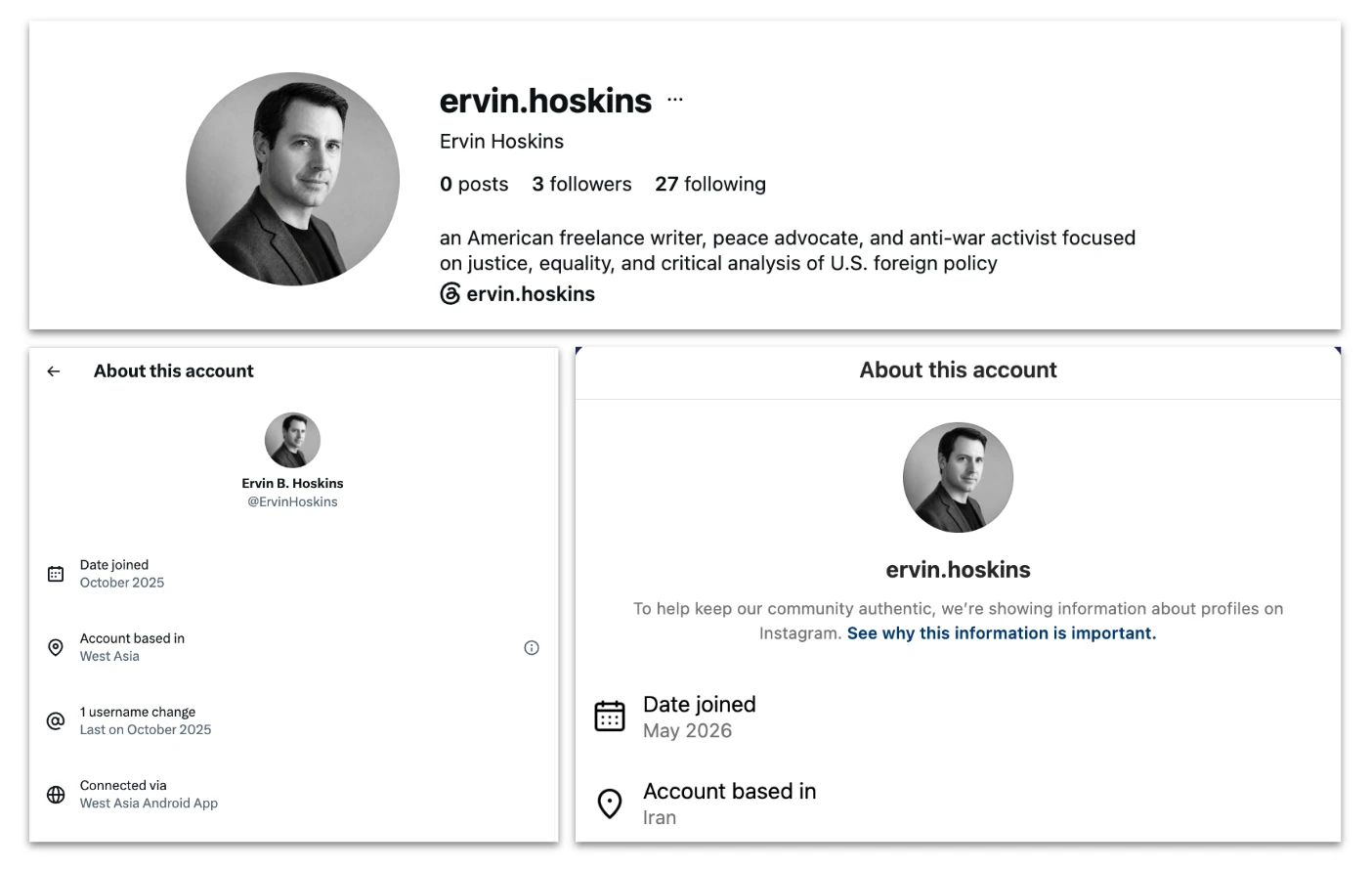
OPENAI disrupted two state-aligned influence campaigns by terminating multiple accounts linked to Russia and Iran that were running deceptive “false front” operations to plant propaganda in legitimate news outlets. The campaigns used artificial intelligence to polish English drafts, translate scripts and format internal reports, enabling covert political messaging to appear as independent analysis.
Investigators described unusually wide reach for these campaigns, with the Russian operation generating more than sixty original analytical reports through a Latin American think tank and prompting official responses in Ecuador and Poland. The Iranian effort placed nearly one hundred opinion pieces across more than a dozen independent outlets, aided by seven fictitious Western journalist personas and social media backstops; some outlets published the content without recognising the true origin.
On the Russian side, Dark Clark operated under a self-described Latin American research platform and used a fake regional staff persona named Mia Clark, with forged documents and staged local interviews to drive controversy in various markets. The Iranian network, dubbed Bogus Bylines, relied on personas such as Ervin B. Hoskins, Sophia Gonzalez and Michael Harrison, with Iran-sourced profiles on Medium, Facebook and Instagram.
OpenAI attributed the Russian operation with high confidence to Politology, while attribution for the Iranian network remained moderate and tied to a state sponsor via an undisclosed private entity. Investigators stressed that public exposure and rapid reporting are effective countermeasures, and urged newsroom verification of freelancers, stricter identity checks, and institutional safeguards for public agencies and schools.