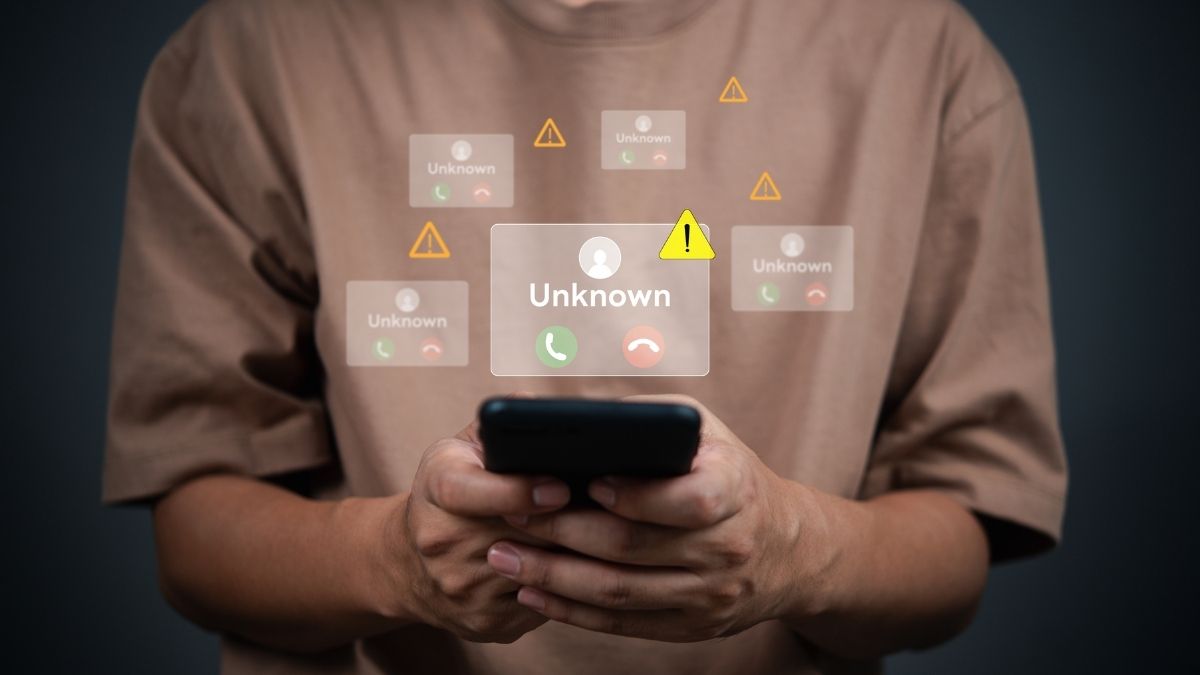
SCAMMERS are increasingly targeting mobile phones, exploiting their role as a primary channel for communication and authentication. The piece cites data showing texted scams caused about $470 million in losses in 2024, a 26% rise from the year before and far higher than at the start of 2020. Text messages also enjoy high open rates—up to 98%—compared with around 20% for email, helping explain their appeal to fraudsters.
Artificial intelligence is making scams harder to detect while enhancing impersonation, with vishing (voice phishing) rising rapidly in early 2026. A CrowdStrike Threat Hunting Report recorded a doubling of vishing in the first half of 2026, and a Malwarebytes survey found 16% of adults had received a voice-cloned call impersonating someone they know in the past year.
The report also notes broad difficulty in recognising scams, with 85% saying it’s hard to tell a scam from the real thing and 84% doubting that convincing video evidence remains definitive proof.
To counter these threats, the article offers five practical measures. First, treat unexpected texts and social media posts with suspicion and verify directly with the organisation through official channels. Second, keep devices’ operating systems updated, emphasising automatic updates as a defence against malware exploits. Third, protect accounts with unique passwords, a password manager, and where available, passkeys, plus enabling two-factor authentication (2FA).
Fourth, be cautious of voice calls, including those that seem to come from loved ones, and consider private codes or independent verification for emergencies. Fifth, check links before tapping, including those in QR codes, and use verification tools like Malwarebytes Scam Link Check; be wary of tampered QR codes and verify the destination via trusted channels. The piece also notes risk of speed and pressure in scams and advises pausing to verify through trusted channels.