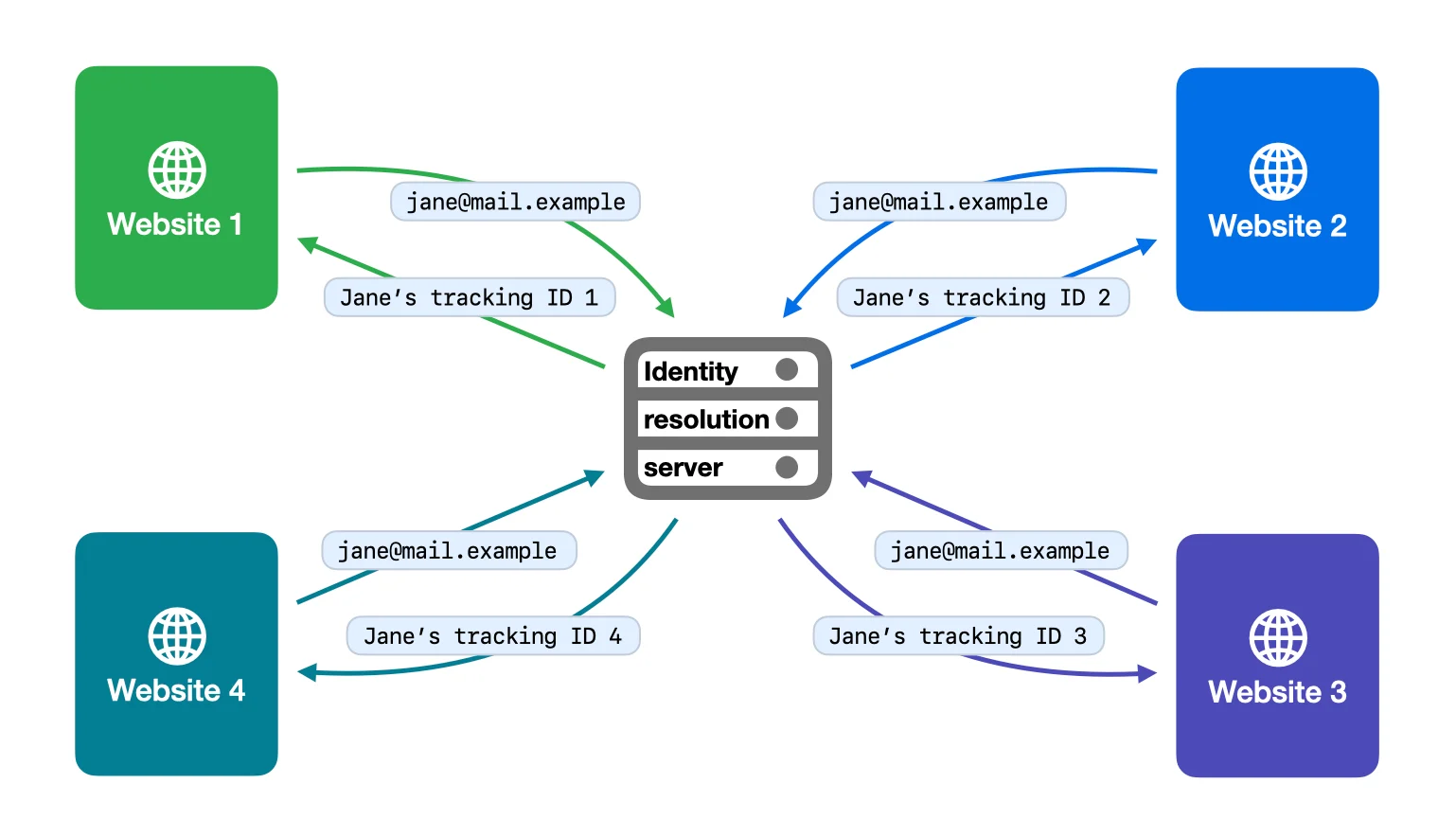
APPLE has unveiled a policy shift that blocks WebKit identity resolution as part of a broader privacy enforcement move. In a public briefing tied to the WebKit project, Apple explained that it is aggressively curbing cross-site tracking workarounds that emerged after the phase-out of third-party cookies.
The company emphasised that its approach applies across its platforms—iOS, iPadOS, macOS and visionOS—and aims to prevent covert identity stitching by advertisers that links user credentials and online behaviour across sites and apps. The result, Apple argues, is a robust, domain-level defence that stops tracking scripts from sending harvested credentials off the device, effectively severing covert tracking channels before data ever leaves the user’s device.
The immediate impact is an unusually tense reaction from the advertising technology sector and publishers who rely on targeted promotions and first-party data strategies. Apple maintains that privacy rights are non-negotiable and that exemptions or carve-outs for commercial advertising coalitions will not be granted. The piece frames the shift as a continuation of Apple’s anti-tracking stance, arguing that the deprecation of legacy cookies has progressed to the dismantling of email-based identity stitching.
Moving forward, the article suggests that advertisers will need to pivot toward authenticated server-side architectures or direct first-party relationships to sustain relevant advertising. The piece closes by asserting that Apple has permanently altered the commercial landscape for online advertising, with practical implications for how identity data can be used in practice.