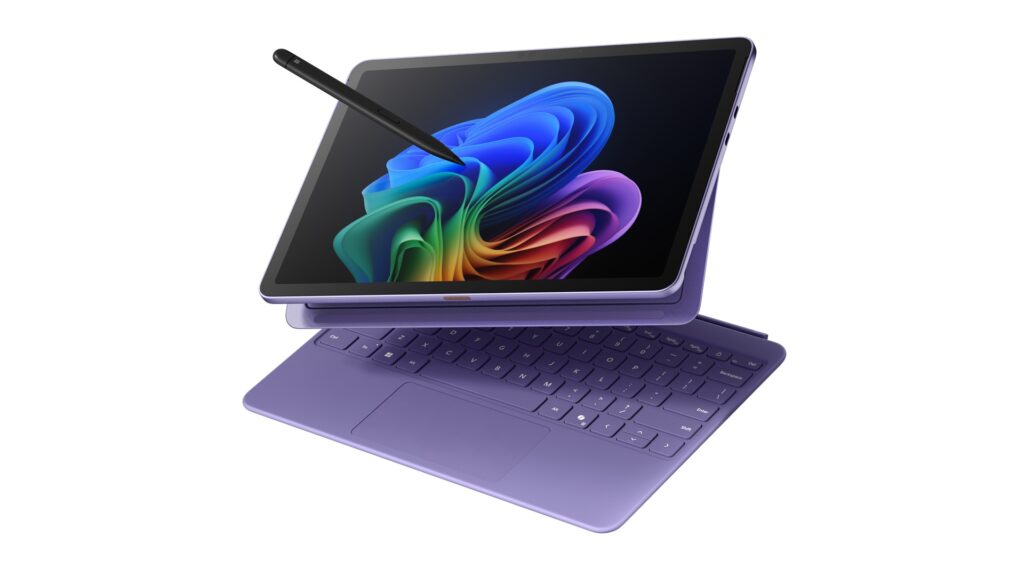
MICROSOFT used the IFA 2026 event to push its vision of “unmetered intelligence” for Windows 11, reviving Bill Gates’ desk‑top promise with a heavy emphasis on local AI processing. The company says frontier AI models will still need substantial cloud resources, but users should no longer face latency or per‑token fees for everyday AI tasks, since powerful models would run directly on capable local PCs with only the most complex requests uploaded to the cloud.
The framing positions Windows as a local AI infrastructure rather than a cloud‑centric service, with the aim of making AI a built‑in computing capability.
To realise this vision, Microsoft outlined a substantial hardware and software refresh centred on its RTX Spark platform, developed with NVIDIA. The hardware specs cited include up to 6144 Blackwell cores, a 20‑core Arm CPU and up to 128GB of unified memory, delivering about one petaflop of AI computing power for local loading of models with more than 100 billion parameters.
Project Zenith, announced for developers on 4 September, requires 64GB of unified memory and 250GB/s memory bandwidth, claimed to enable running models beyond 30 billion parameters locally without limits. On the software side, Windows scheduler and memory management were overhauled to support this heterogeneous architecture, with task allocation across 20 cores via Workload Profile Scheduling.
To address security, Microsoft introduced Microsoft Execution Containers to isolate autonomous AI agents in sandbox containers and enforce policies. The piece also highlights a hardware‑gap reality: premium devices with 64–128GB RAM are contrasted with entry‑level devices that may still rely on cloud calls, forecasting a polarized Windows ecosystem until broader memory cost breakthroughs arrive.