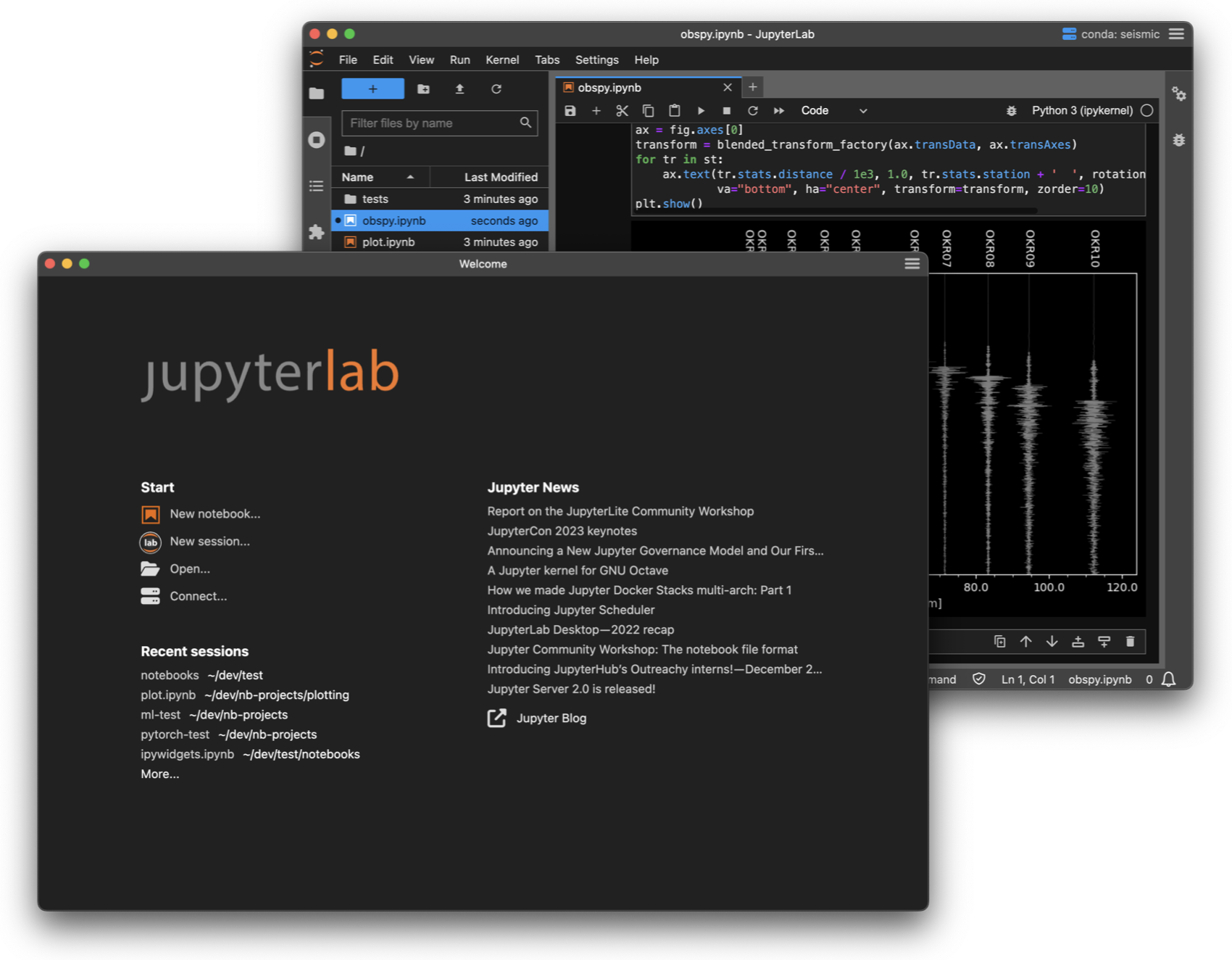
A security report on JupyterLab Desktop describes a vulnerability, CVE-2026-102530, that allows remote code execution when a user connects to a malicious server URL. The flaw arises from the Connect to Remote Server dialog not sanitising server URLs, enabling cross-site scripting that can lead to code being executed on the user's machine. The advisory rates the issue as CVSS 9.4 and notes that exploitation would occur if a user were tricked into loading a compromised URL within the app.
According to the article, the vulnerability affects JupyterLab Desktop prior to the fixed release and is mitigated by updating to version 4.6.2-1, which provides fixes for macOS, Windows, and Linux. The publish date is 30 September 2026 and the outlet attributes the finding to a security researcher, Do Son.
The coverage emphasises the severity of the flaw, tying it to the potential for arbitrary code execution via a malicious remote server URL, and points readers towards upgrading to the patched build as the practical response. There is no additional evidence supplied beyond the article’s claims about exploitation potential and the availability of a fixed version.