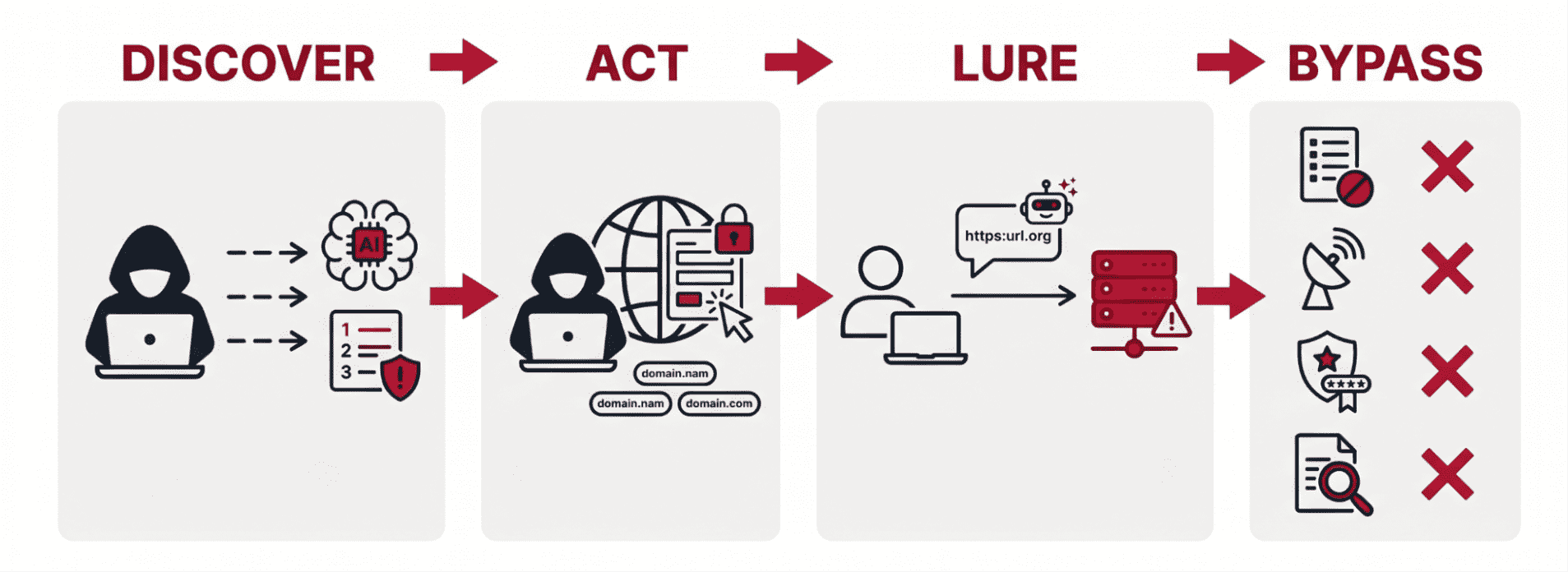
THE article discusses the emergence of phantom squatting, a cybersecurity threat where attackers register domains generated erroneously by AI tools like chatbots. This method allows malicious websites to bypass traditional security measures, as newly registered domains lack a threat intelligence history, rendering them seemingly safe.
The report by Palo Alto Networks' Unit 42 highlights significant incidents, such as the Montana Empire phishing case, where attackers leveraged AI-generated domains for phishing campaigns. With over 13,000 confirmed malicious URLs identified, the article emphasizes the need for organizations to treat AI-generated URLs as untrusted, and suggests measures to combat this emerging threat, such as monitoring domain registrations and verifying AI-generated links.