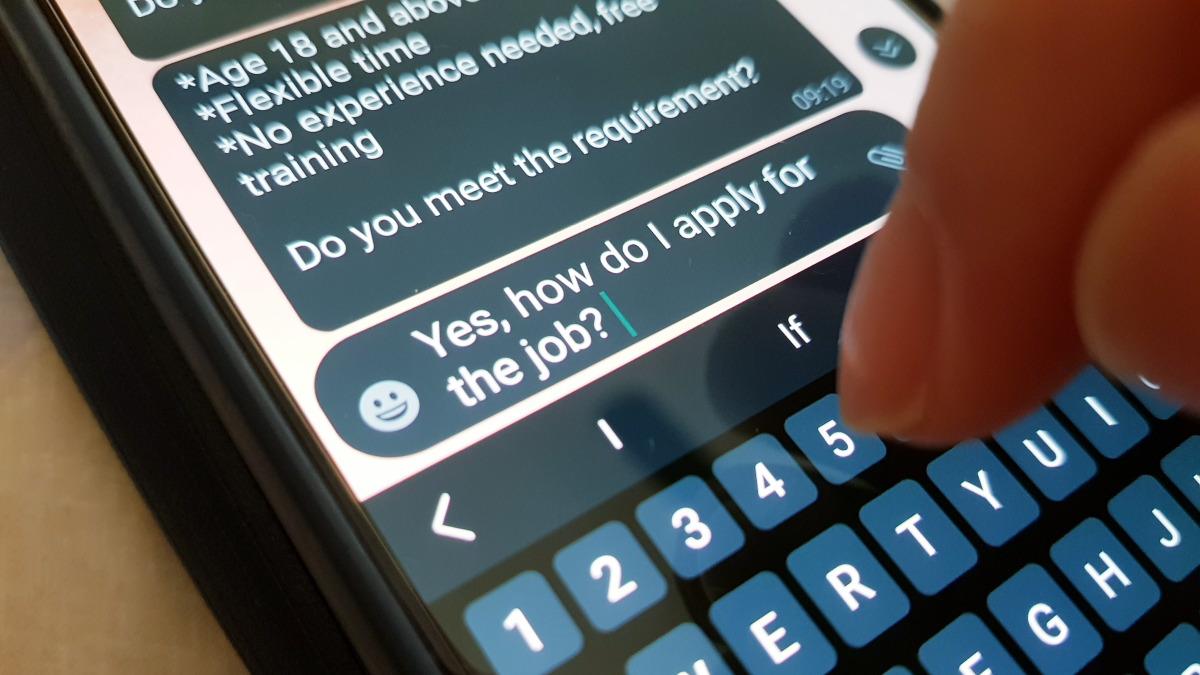
THE article discusses how “spray and pray” job applications—where applicants use AI to apply to large numbers of roles—can complicate recognising recruitment scams. While the BBC and The Independent highlight that mass applications are becoming more common and that young adults are receiving unsolicited job offers, the piece notes that neither report proves mass applications cause scams. The upshot is a security question: when you’re inundated with replies, how can you tell messages from people you didn’t contact from those you did?
It surveys several scam varieties, including fake interview apps that install spyware, Calendly invites designed to harvest social credentials, “parcel expert” and advance-fee schemes, and tasks that require upfront payments. It also highlights impersonation tactics, such as recruiters using real company names or real employees’ details.
A practical safety section urges keeping an application log, independently verifying vacancies and recruiters, and pausing before sharing sensitive information or installing software. It recommends enabling multi-factor authentication and keeping anti-malware up to date. The article also cites Virgin Media O2 research reporting that many UK 18- to 24-year-olds have received job offers they didn’t apply for, underscoring why suspected scams can resemble legitimate outreach.
A worked example from Scam Guard shows an illegitimate message posing as a UK marketing firm, The Goat Agency, emphasising the need for careful verification despite seemingly credible cues.