IVANTI has confirmed that a critical OS command injection flaw in its Sentry platform is being exploited in the wild, putting thousands of enterprise VPN appliances at risk. The vulnerability tracked as CVE-2026-10520 allows unauthenticated attackers to run arbitrary commands with root privileges. Early telemetry shows the flaw being used to establish persistent footholds on perimeter devices across multiple industries. The issue was first observed on 5 June 2026 and has since been added to the CISA Known Exploited Vulnerabilities catalogue.
The flaw carries a CVSS score of 10.0 and resides in the Sentry management console where insufficient input validation on a specific HTTP header lets a specially crafted request trigger command execution. Attackers can send a payload containing shell metacharacters that bypasses intended authentication checks and executes with the privileges of the service account, which typically runs as root. All versions of Ivanti Sentry prior to the 9.18.0 hotfix released on 5 June 2026 are affected. Successful exploitation provides full control of the underlying operating system, enabling further lateral movement within the network.
Ivanti’s advisory explains that the attack vector is the unauthenticated web interface listening on TCP port 4443 by default. By injecting a semicolon followed by a shell command into the User‑Agent header, an adversary can break out of the intended API call and invoke arbitrary system commands. The vendor has released version 9.18.0 hotfix that removes the vulnerable validation routine and urges immediate upgrade. In the interim, administrators can restrict access to the management console to trusted networks as a temporary mitigation.
Since the first sighting on 5 June the flaw has been linked to activity by the financially motivated group ShinyHunters, which has been observed chaining this vulnerability with other zero‑day exploits. The same campaign leveraged CVE‑2026-35273 in Oracle PeopleSoft Enterprise PeopleTools and CVE‑2026-20245 in Cisco Catalyst SD‑WAN Manager to move from perimeter devices to internal applications. Security researchers noted that over one hundred organisations, primarily in higher education and finance, showed signs of compromise during the window from 27 May to 14 June 2026.
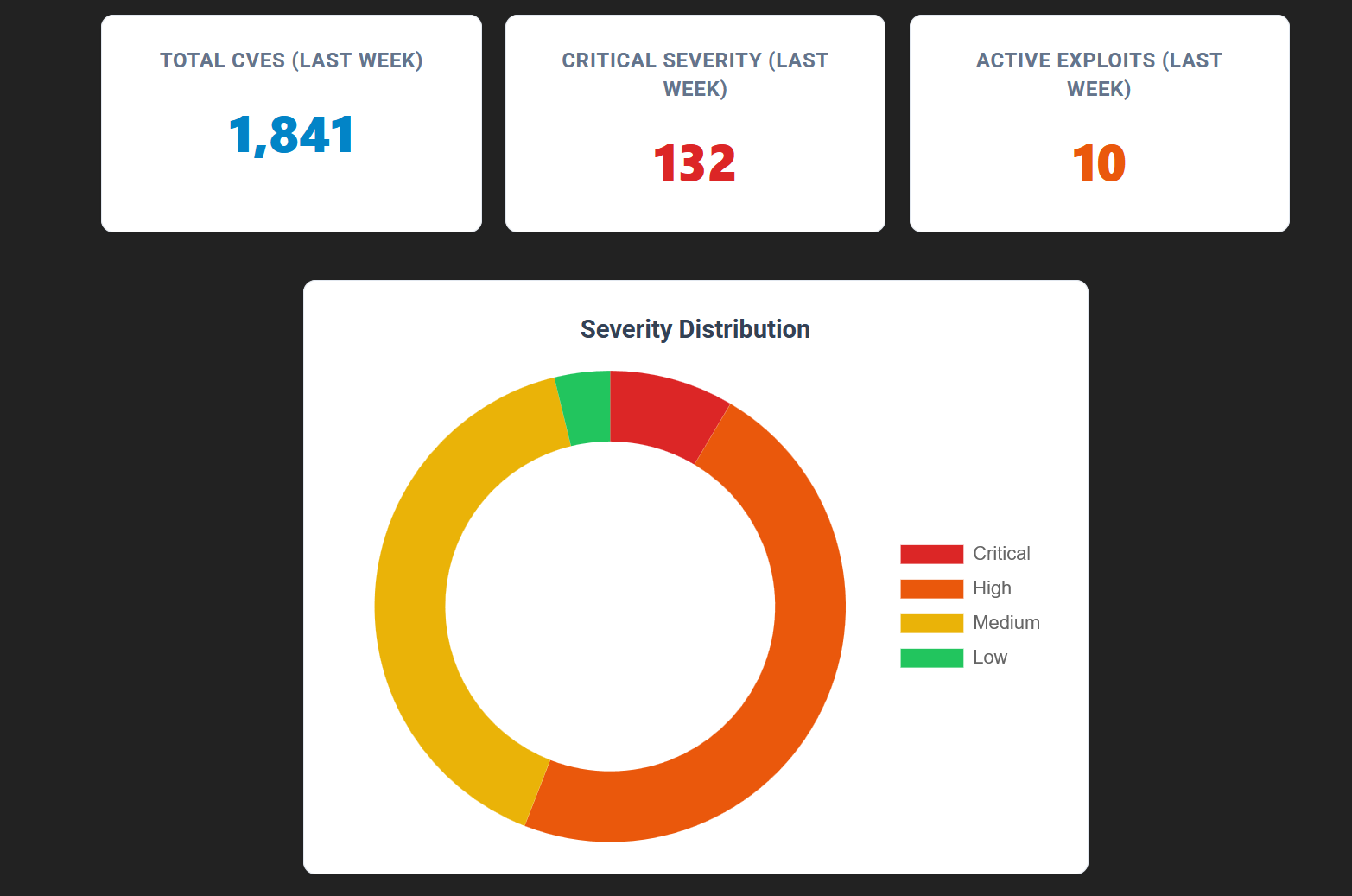
The weekly threat intelligence round‑up from securityonline.info reported that CISA warned of active exploits in Ivanti Cisco Oracle and Chrome during the week of 8‑14 June, highlighting how attackers are stringing together flaws across edge devices and browsers to maximise impact. In addition to the Ivanti Sentry issue, the KEV catalogue gained entries for the Oracle PeopleSoft zero‑day, the Chrome V8 bug CVE-2026-11645 and several Cisco VPN appliances. The report stressed that timely patching and network segregation are essential to interrupt these multi‑vector attacks.
Defenders should apply the Ivanti 9.18.0 hotfix without delay, placing Sentry appliances behind strict network segmentation and limiting admin‑interface access to known management IP ranges. Enforce multi‑factor authentication for any remote management accounts and review logs for unexpected shell activity, particularly commands that spawn shells or modify critical binaries. Following CISA’s guidance, prioritize patching of all KEV‑listed vulnerabilities and maintain an up‑to‑date asset inventory to reduce exposure to emerging threats.
Organisations are also encouraged to subscribe to Ivanti’s security mailing list and to monitor the CISA KEV feed for future additions. Testing patches in a non‑production environment before rollout helps avoid disruption while ensuring that the fix is effective. By combining rapid remediation with vigilant monitoring, security teams can reduce the likelihood of a successful command‑injection attack on their perimeter infrastructure.