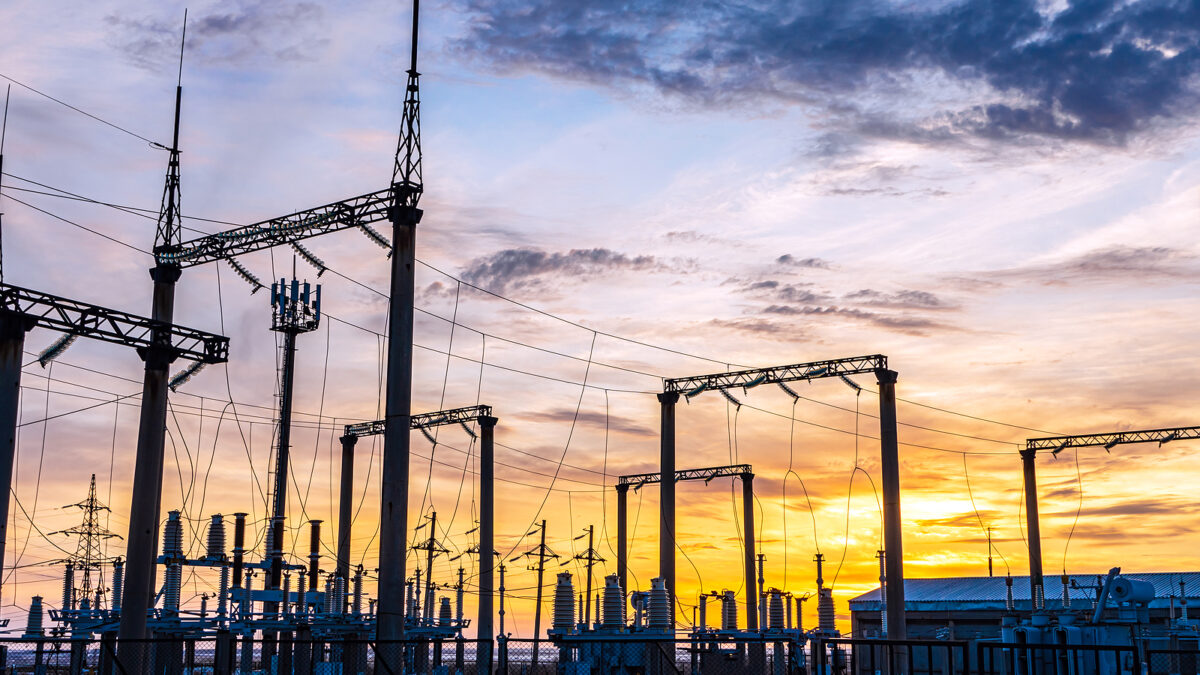
BRITISH officials confirmed that a power generation facility in the UK was taken offline for four days after a cyber intrusion traced to Iranian linked actors. The outage did not affect the national grid but raised immediate questions about the security of individual energy assets. The incident was first reported by the Telegraph on 22 August 2026 and has since been discussed across security forums.
Investigators said the intruders gained initial access through a phishing email that delivered a malicious payload to an engineer’s workstation. From there they moved laterally across the network, exploiting weak segmentation between the corporate IT environment and the operational technology systems that manage turbines and generators. Once inside the OT zone, the attackers issued legitimate stop commands that halted production for four consecutive days, as outlined in a SecurityWeek analysis.
The attack did not rely on a previously unknown vulnerability, so no CVE identifier was assigned; instead the operators used legitimate administrative utilities that were already present on the compromised hosts. Security experts noted that multi‑factor authentication was not enforced on the remote access portals, which allowed the stolen credentials to be reused without additional challenge. The lack of network monitoring meant the anomalous command traffic went unnoticed until operators tried to restart the plant and found the control consoles unresponsive, according to SecurityAffairs.
British authorities have not disclosed the name of the facility or identified a specific group, but the timing coincides with a series of cyber strikes against water treatment plants in twelve US states that also bear hallmarks of Iranian origin. The National Cyber Security Centre was notified and has begun reviewing the incident as part of its broader effort to protect critical national infrastructure. Officials said the outage did not cascade to other generators, yet the episode has prompted a reassessment of how quickly smaller operators can recover from a prolonged cyber induced shutdown, as noted in the original Telegraph report.
Industry analysts warn that the event highlights the gap between perceived security maturity and actual resilience at many regional power providers, particularly those that rely on legacy equipment with limited logging capabilities. They argue that reliance on air‑gapped myths leaves organisations exposed when attackers pivot through trusted corporate channels. The incident also adds weight to calls for mandatory cyber hygiene standards across the UK’s energy sector, similar to those already enforced in finance and telecommunications, a point highlighted in SecurityAffairs coverage.
Defenders should start by enforcing multi‑factor authentication on all remote access points and reviewing privileged account usage to ensure that stolen credentials cannot be reused without additional verification. Network zones that control physical processes must be isolated from corporate LANs, with strict firewalls and diode‑style gateways that allow only essential data flows inbound. Continuous monitoring of command and control traffic, coupled with anomaly detection baselines, can help spot unauthorized shutdown orders before they are executed, advice reiterated in the SecurityWeek piece.
Organisations should also ensure that all OT devices receive timely firmware updates and that any remote maintenance tools are disabled unless absolutely necessary, reducing the attack surface that adversaries can exploit. Regular red‑team exercises that simulate ransomware or wiper scenarios help validate incident response plans and improve communication between IT and engineering teams. Finally, sharing indicators of compromise with the NCSC and participating in sector‑wide information sharing groups can raise the collective defence level against future Iranian linked campaigns, as suggested in the Telegraph report.