A U.S. government agency paid $1 million to the data extortion group Kairos after attackers stole over 1.6 million files and threatened to publish them.
The breach began with a brute‑force attack on exposed remote access services, as detailed in the Hacker News report, allowing Kairos to obtain valid credentials and move laterally inside the network.
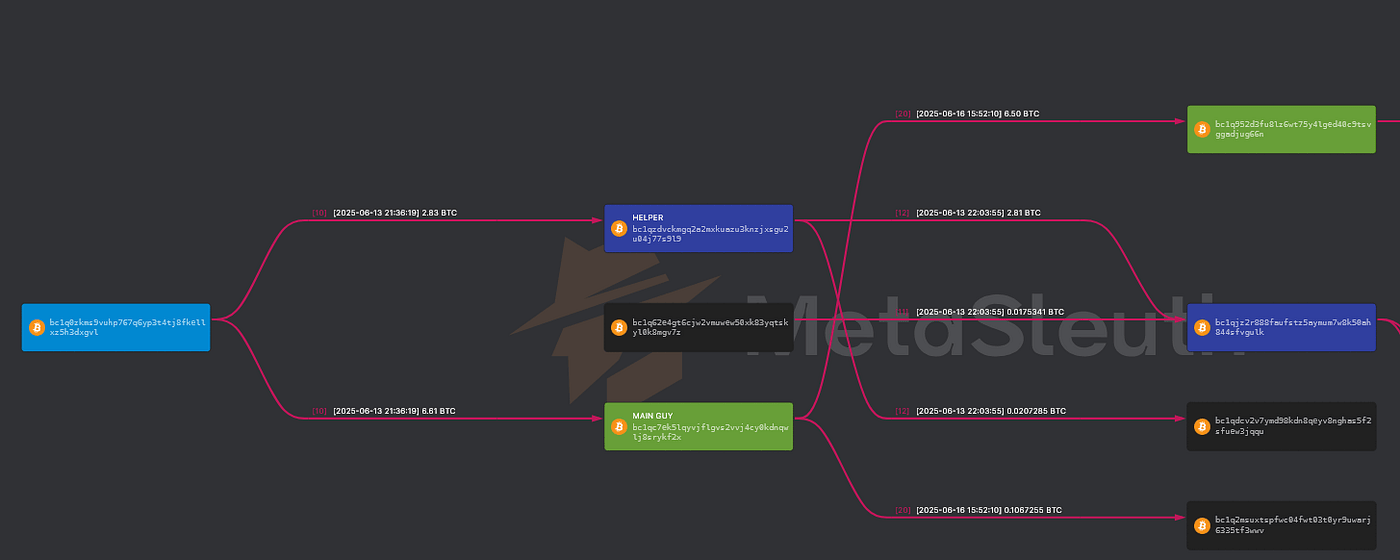
Unlike traditional ransomware, the group did not encrypt systems; instead it focused on data theft and demanded payment to prevent disclosure, starting at $3 million and settling at $1 million after 28 days of negotiation, with the transaction traced through Bitcoin movements, according to the Ransom‑ISAC case study.
The incident highlights how data‑only extortion can exert considerable pressure without causing operational downtime, a tactic that has proved effective for threat actors seeking quick financial gain.
Defenders should enforce multi‑factor authentication on all remote access points, enforce strong unique passwords and monitor authentication logs for abnormal login attempts that could signal brute‑force activity.
Network segmentation and strict least‑privilege access can limit an intruder’s ability to exfiltrate large volumes of data, while regular backups and monitored outbound traffic help detect and respond to theft attempts before they reach extortion stage.