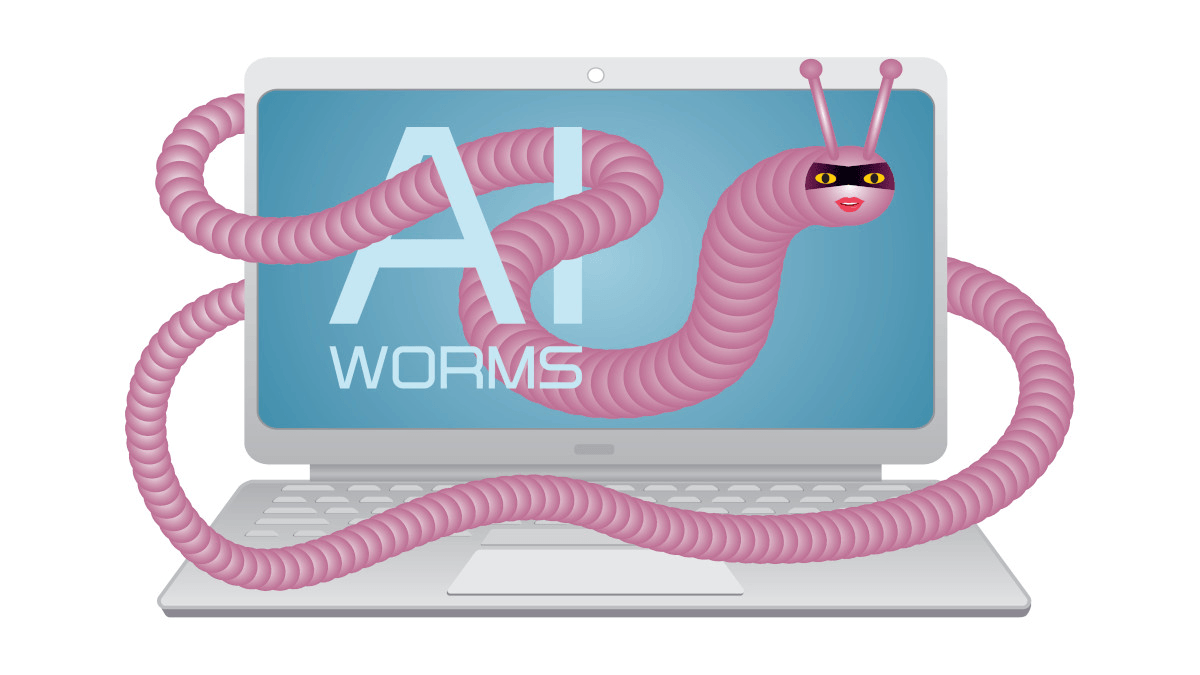
ANTHROPIC researchers demonstrated that very small AI models could, in principle, be capable of self-replication across consumer IoT devices, by running a Google Gemma model across 15 off-brand Android TV boxes. They describe a four-stage process for an AI-powered worm: find another device, gain the ability to execute code on it, set up the software to run an AI model, and continue spreading to the new host.
Critically, the work did not show a small model actually spreading and operating independently on compromised household hardware; the experiments used Android emulators with unauthenticated debugging access, which considerably simplified access compared with properly secured devices. The researchers cautioned that while real-world replication could be detectable through large file transfers or sustained device communication, limited computing power could slow such activity.
Anthropic still projects that smaller models could reach the necessary capability by the end of 2026 if current improvements continue. Outside experts have echoed that the immediate threat lies in humans using AI to enhance attacks rather than AI systems exploiting themselves autonomously.
The report notes that smart-device botnets are already a concern, citing Mirai and BADBOX 2.0 as examples of compromised routers, cameras and other gear used for DDoS or proxy services.
The practical takeaway emphasises reducing attack surface: keep devices up to date, choose reputable vendors with ongoing firmware security, avoid unofficial app stores, heed protections such as Google Play Protect, disconnect suspicious devices from networks, and segment smart devices on a separate network if they cannot run protective software.