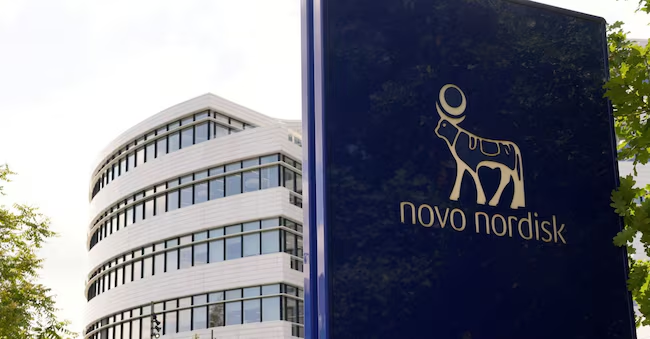
NOVO Nordisk has disclosed a security incident that exposed clinical trial data belonging to roughly eleven thousand five hundred research participants according to its official statement. The breach involved pseudo‑anonymised records that included patient IDs, health biomarkers and lifestyle factors but no directly identifiable information such as names or addresses. The company said the data was copied from internal IT systems without authorisation and that the incident was first detected on 14 June 2026.
The stolen information also covered details of healthcare providers, including names, email addresses and telephone numbers, which were not protected by the same pseudonymisation measures applied to patient data as reported by databreaches.net. FulcrumSec, the hacker group that claimed responsibility, stated it had maintained access to Novo Nordisk’s network since March due to weak security controls. The group alleged it exfiltrated trial participation details, biomarker panels and some intellectual property linked to forthcoming diabetes and obesity treatments.
Despite a ransom demand reported to be twenty five million dollars, Novo Nordisk opted not to pay, citing ongoing forensic investigations and a commitment to patient safety per SecurityAffairs. The company said it had engaged external cybersecurity experts to contain the breach and to begin notifying affected trial participants and healthcare workers. No evidence has emerged that the stolen data has been used for identity theft, but the exposure of provider contacts raises concerns about targeted phishing.
SecurityWeek noted that while the trial data itself was de‑identified, the combination of health markers and lifestyle information could still be valuable to competitors seeking insights into Novo Nordisk’s drug pipeline according to their coverage. The incident highlights how even anonymised datasets can be re‑identified when combined with auxiliary information, a risk that has grown with the increasing richness of clinical trial metadata. Industry observers warn that similar attacks may target other pharmaceutical firms that rely on legacy network segmentation.
Defenders should review access logs for privileged accounts and enforce multifactor authentication on all remote entry points, especially those used by third‑party contractors as advised in Novo Nordisk’s patient notice. Network segmentation between research systems and corporate IT should be strengthened to limit lateral movement, and data loss prevention tools tuned to detect exfiltration of structured trial databases. Regular red‑team exercises that simulate credential theft and persistence techniques can help uncover gaps before they are exploited.
Affected individuals are urged to monitor their personal accounts for unusual activity and to treat any unsolicited communication requesting credentials as suspicious until verified through official channels. Organisations should update their incident response plans to include templates for communicating with trial participants and healthcare providers when pseudonymised data is involved. Maintaining an up‑to‑date inventory of where sensitive trial data resides, and encrypting it both at rest and in transit, remains a fundamental step in reducing the impact of future breaches.