**Example 1** - Web Cache Deception on PayPal Home Page 1. Normal browsing, visit home : `https://www.example.com/myaccount/home/` 2. Open the malicious link : `https://www.example.com/myaccount/home/malicious.css` 3. The page is displayed as /home and the cache is saving the page 4. Open a private tab with the previous URL : `https://www.example.com/myaccount/home/malicious.css` 5. The content of the cache is displayed Video of the attack by Omer Gil - Web Cache Deception Attack in PayPal Home Page [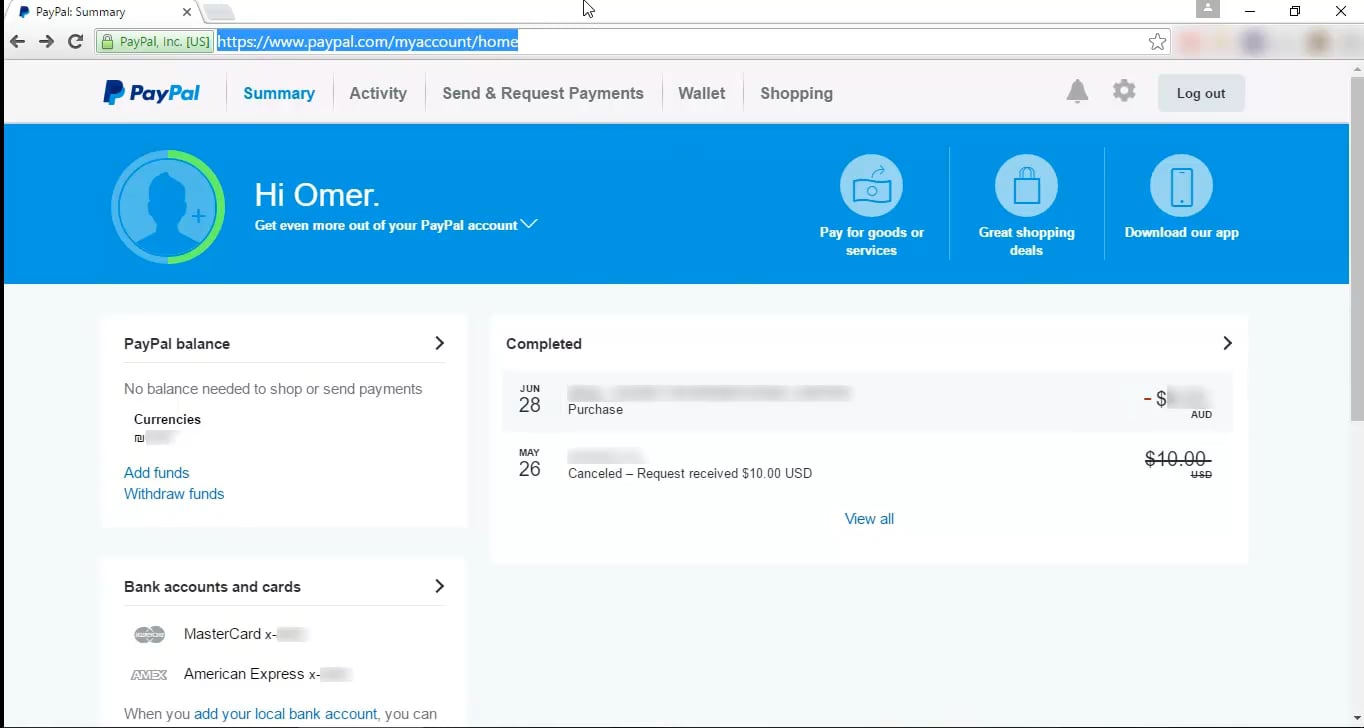](https://vimeo.com/249130093) **Example 2** - Web Cache Deception on OpenAI 1. Attacker crafts a dedicated .css path of the `/api/auth/session` endpoint. 2. Attacker distributes the link 3. Victims visit the legitimate link. 4. Response is cached. 5. Attacker harvests JWT Credentials.
Source: Web Cache Deception/README.md in PayloadsAllTheThings. From PayloadsAllTheThings by Swissky and contributors. MIT License, Copyright (c) 2019 Swissky.